Heavy-Duty Platform Trucks: The Commercial Backbone
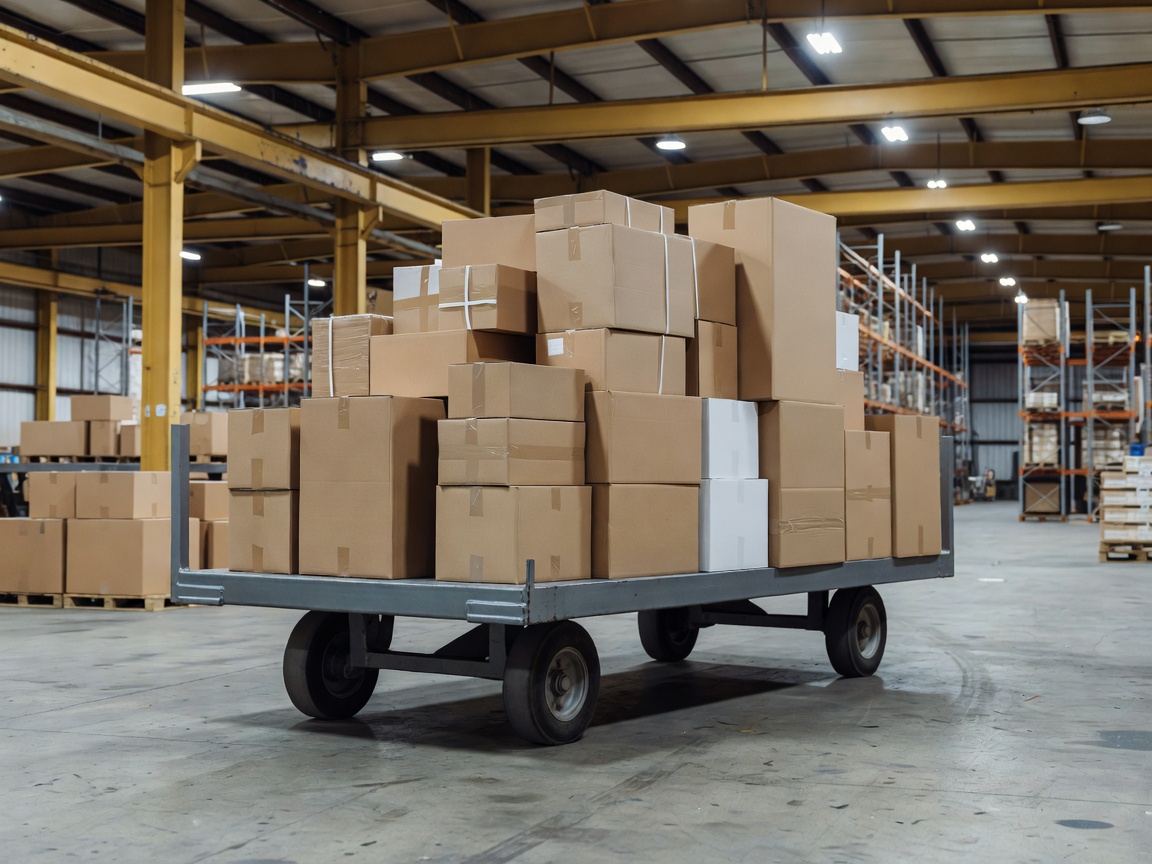
When the volume and weight of luggage or freight surpass the capabilities of an upright hand truck, commercial operators turn to the heavy-duty platform truck. These robust, flatbed trolleys are a ubiquitous sight in hotel service corridors, backstage areas, maritime ports, and wholesale warehouses. Their fundamental advantage lies in their broad base and four-point weight distribution, which allows operators to transport immense loads with minimal physical exertion.
Deck Material Considerations
The platform itself—often referred to as the deck—is the foundation of the truck. The choice of material dictates the unit's tare weight, durability, and operating environment:
- Structural Foam / Resin: High-density polyethylene decks have become the industry standard for general use. They will not rust, dent, or splinter, and they naturally absorb impact noise. They frequently feature molded-in tie-down slots.
- Steel Diamond Plate: Essential for ultra-heavy industrial loads. Steel decks can support upward of 2,000 pounds but are heavy and susceptible to corrosion if the powder coating is breached.
- Aluminum: Offering a middle ground, aluminum platforms are lightweight and naturally corrosion-resistant, making them ideal for maritime environments or food service areas where regular washdowns occur.
Caster Configurations
A platform truck is only as good as its casters. Standard configurations place two rigid casters at the front of the deck and two swivel casters at the rear handle side. This setup allows for precise steering akin to driving a car.
The wheel material must be matched to the flooring. Solid polyurethane wheels offer low rolling resistance on smooth concrete, while pneumatic (air-filled) or semi-pneumatic tires are required to negotiate threshold gaps, elevator transitions, or rough outdoor tarmac without violently jarring the cargo.
Handle Designs
While many industrial models feature a fixed tubular steel handle welded or bolted directly to the frame, commercial luggage transport often benefits from a folding handle. A quick-release foot pedal allows the handle to fold flush with the deck, drastically reducing the storage footprint when the unit is not in active use. However, folding mechanisms inevitably introduce a point of mechanical weakness, meaning their weight ratings are generally slightly lower than fixed-handle counterparts.
Safety and Best Practices
Operating a fully loaded platform truck weighing half a ton requires adherence to safety protocols. The primary rule of operation is that the cart should be pushed, not pulled. Pushing allows the operator to maintain forward visibility, utilize lower body strength, and prevents the cart from running over the heels. Additionally, loads should always be centered over the axles to prevent the deck from bowing and to maintain optimal steering geometry. Anti-slip matting is frequently adhered to the deck to prevent slick luggage from migrating off the edge during sudden stops.
In conclusion, investing in the correct heavy-duty platform truck vastly improves operational throughput while protecting staff from musculoskeletal injuries. Careful assessment of the required load capacity, operating environment, and storage limitations will guide buyers to the optimal configuration.